Bar Design: How to Design Bars That Work for Everyone™
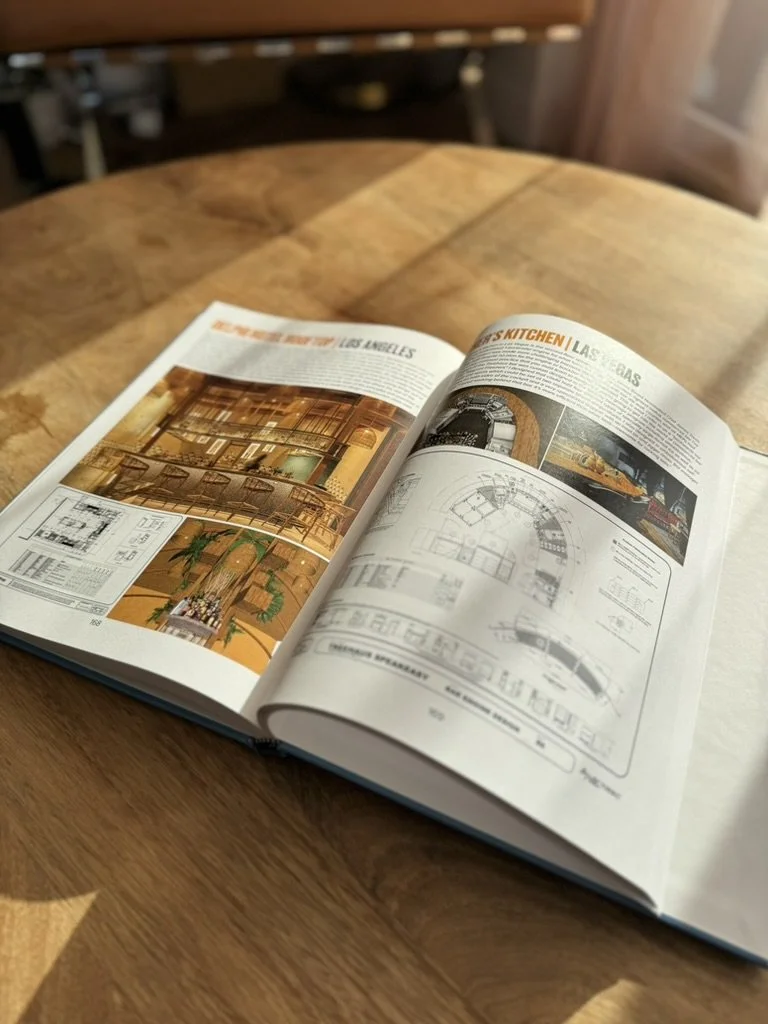
The following principles are adapted from Bar Design Essentials, by Tobin Ellis, the definitive guide to high-performance commercial bar design.
→ The business case for better bar design
A room by itself cannot earn a single dollar, pound, euro, or yen. It must have revenue centers, and the one with the most revenue per individual employee is the bar. The bar is typically the most lucrative revenue center in a hospitality space, not just because costs are lower and per guest check averages are higher, but for so many more reasons including variable profit margin flowthrough. Bars also typically get the least attention during the design phase, and rarely any input from highly experienced bar and beverage subject matter experts. Specialty bar design firms exist to fill that experience gap and maximize the efficiency, experience, and profitability of the bar and lounge.
→ What makes a bar beautiful?
What truly makes a bar beautiful is not what it looks like when it is empty, but what it feels like when it is full. If the room can’t deliver on the guest experience as well as the budget projections, just how beautiful is it, really? Bars are about creating human joy, not worshipping aesthetic objects. Focus first on the human experience and then watch the beauty emerge organically and rewardingly—from the bartenders to and for the guests, delivering for the investors.
→ What is zero-step and why is it so crucial to bar design?
For years, the Barmagic team developed and deployed team-bartending models that increased overall throughput, decreased labor cost, and had the bonus of just being way more fun for the staff behind the bar. All of this work eventually just melded into this approach to bartending that repeatedly led us to the same conclusion about producing drinks behind a bar: bartenders should only move when they want to, not because they have to in order to overcome poor design. Studio Barmagic called this ergonomic theory zero-step nearly 20 years ago, and after two decades of informing the company’s training, opening, and consulting work, it served as our polar north for designing bars.
→ Why shouldn’t a kitchen designer design a bar?
There is almost no similarity to working the line and working behind the bar. There is no “triangle” in bar design as there is in kitchens, no hood, no brigade system, and no single focus task approach. Bartenders have to do everything—greet, tour menus, take orders, produce products, serve guests, engage guests, tender payments—all while directly in front of a room of guests in the FOH. Designing kitchens gives you no understanding of how to design bars, and oversimplifying bar design from this lens is the most systemic problem in bar design today. Only someone with significant experience and high-performance behind the bar should be designing what is behind the bar. Simply put—you wouldn’t ask a bartender to design your kitchen, so why would ask a chef or kitchen consultant to design your bar?
→ Why is flow state important?
You need a design that is smooth and flowing for the bartender in ways most designers and kitchem consultants never even think about because they don’t know how great bartenders slide, slide, pivot, spin, and honestly—groove back there behind the wood. Moving to the music and the pace of the room while you sling drinks isn’t just fun; it’s more productive. Remember: slow is smooth, smooth is fast. This means that when you first focus on precision and quality, you become smoother, which quickly allows you to add speed to your movements. The better the road, the better the drive. Don’t give bartenders a collection of dead ends, stop signs, train tracks, speed bumps, potholes, and school zones. Design them an autobahn with banked turns and smooth, reliable roads and watch them fly. Only a highly-experienced driver knows what the road should feel like. Find a great driver who also knows how to build the roads…
→ Designing for peak volume
When you design a bar, design for the busiest-case scenario, not the slowest or the average. You’re not designing stations and compliance; you’re designing a profit machine or you’re leaving money on the table and the guest experience to chance. Anything (and everything) a bar design specialist can do to give the bar team the best chance to maximize their throughput during peak service should be the primary focus. It doesn’t even matter if the bartenders themselves are interested in being faster or more efficient; the design they work behind should do that for them. Focusing on “fitting equipment back there” or “making sure we will pass inspection” are very rudimentary design objectives. The real mission is to design a bar that can handle peak volume without slowing throughput, irritating guests, or preventing the bar team from engaging in high-touch hospitality. Find out exactly how in Bar Design Essentials, the definitive guide to contemporary bar design, packed with 250 pages of principles, practices, diagrams, plans, photos, and dimensions.
→ How does better design make bartenders better?
If you design a bar with all the insights and experience that can only come from a very high-performing bartender, you maximize the physical schema that is intuitive to every bartender and immediately accelerates their ability to myelinate their learning as it becomes more and more reflexive. You create Kaizen for them with the design when the design facilitates and encourages the most optimized, hyper-specific workflows and most fluid biomechanics. In other words, without them even knowing it, the bar helps them build muscle memory better, faster, and continually allows them to improve their performance, 1% per shift. This is the true secret to constantly improving the guest experience and the business performance—employees who become better every single shift because of the optimized design. This is why bar design is not just dropping pieces of equipment behind a wall and slapping a counter on top. Bar design is designing for the most beautiful bartending experience possible, which plays a part in the constant evolution of the entire staff. Great design improves the performance of the people who use it and protects their bodies in the process. Any other approach to bar design, therefore, slows down or limits the staff’s ability to become faster and risks their long-term health and wellness. This is why ergonomics are so important to our bar design process.
Why the World Turns to Studio Barmagic
-
![Rachel Antelak, VP of Innovation, Starbucks Coffee Company]()
“Studio Barmagic has a unique ability to set a vision for the customer experience and design the details to deliver the vision.”
Rachel Antelak, VP Innovation, Starbucks Coffee Company
-
![VP of Restaurants and Bars, Anthony Torres, Kimpton Hotels]()
“Tobin is truly one of of the great innovators/creatives in the business.”
Anthony Torres, VP Restaurants & Bars, Kimpton Hotels
-
![Alia Akkam, Editor, Hospitality Design Magazine]()
“Studio Barmagic’s insights into operational design are unique, efficient, and most important, aesthetically functional.”
Alia Akkam, Editor, Hospitality Design Magazine
-
![Gunnard Cunningham, General Manager, Savannahs Golf Club]()
"Studio Barmagic's offerings were the single most successful tools in the respositioning of the resort."
Gunnard Cunningham, VP F&B, The Greenbrier Resort
-
![Angie Weber, Global VP of Beverage, Legends Hospitality]()
Tobin doesn’t just design bars, he designs better business outcomes.
Angie Weber, Global VP of Beverage, Legends Hospitality